

After a tooth extraction, recovery happens in stages. The first few days focus on protecting the blood clot, controlling swelling, and allowing early tissue repair. Over the next few weeks, the gum closes over the socket while bone continues to rebuild beneath the surface.
So, how long does a tooth extraction take to heal? For most patients, gum tissue heals within two to four weeks. Full bone healing often takes three to four months, especially after a molar or surgical extraction.
Your exact tooth extraction healing time depends on the tooth removed, the type of extraction, your oral health, and how closely you follow aftercare instructions.
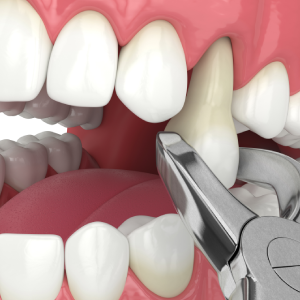
What Happens After a Tooth Extraction?
After a tooth extraction, a blood clot forms inside the socket. This clot protects the bone and nerve tissue while the area starts to heal. Over the next several days, new tissue forms inside the tooth extraction socket. The area might look white, cream, or pale yellow during this stage. This is often normal healing tissue, not infection.
The gum gradually closes over the tooth extraction site, while bone fills in over the following months. Early clot protection is important because losing the clot too soon increases the risk of dry socket.
How Long Does a Tooth Extraction Take to Heal?
Healing is different for every patient, but this timeline explains what many patients experience.
Days 1 to 2
Mild bleeding, swelling, and soreness are common. Keep gauze in place as directed and rest with your head slightly elevated.
Avoid:
- Straws
- Smoking or vaping
- Spitting forcefully
- Vigorous rinsing
- Heavy exercise
Day 3
Discomfort often peaks around day three and then starts to improve. Pain that gets worse after this point should be checked by your dentist.
Days 4 to 7
Swelling and soreness usually begin to ease. The socket continues filling with healing tissue. Your dentist might recommend gentle warm salt water rinses after the first 24 hours.
Week 2
Most patients return to daily routines and soft, comfortable foods. Gum tissue continues closing. Stitches, if placed, might dissolve or be removed around this stage.
Weeks 3 to 4
The visible opening often becomes much smaller or closes. Many patients return to normal eating and oral hygiene, depending on their dentist’s instructions.
Months 2 to 4
Bone continues to remodel under the gum. If tooth replacement is planned, your dentist will check the site before recommending the next step.
What Factors Affect Tooth Extraction Healing Time?
Tooth extraction healing time varies based on the tooth, the procedure, and your overall health.
Type of Extraction
A simple extraction usually heals faster than a surgical extraction. Impacted, broken, or difficult teeth often need more recovery time.
Tooth Location
Molar extractions often take longer because the socket is larger. Smaller front teeth usually heal faster.
Smoking or Vaping
Smoking reduces blood flow to the extraction site and raises the risk of dry socket. Avoid smoking or vaping during healing, especially during the first 72 hours. A 2021 study published in the International Journal of Environmental Research and Public Health identified smoking as one of the most consistent risk factors for post-extraction complications.
Medical Conditions
Uncontrolled diabetes and some immune-related conditions might slow healing. Stable overall health supports a smoother recovery.
Oral Hygiene
Good oral hygiene lowers the risk of infection. Brush and floss other teeth carefully, but avoid disturbing the extraction site until your dentist clears you. Routine preventive care before and after extraction helps protect the surrounding teeth and tissue.
What Is Dry Socket After Tooth Extraction?
Dry socket occurs when the blood clot becomes dislodged or dissolves too early, exposing the bone and nerve tissue inside the socket. It often causes severe, throbbing pain that starts two to four days after extraction and might spread toward the ear, temple, or jaw.
An oral health guidance resource notes that pain increasing after day three, instead of improving, is one of the key warning signs.
To reduce your risk:
- Avoid straws for at least 72 hours
- Do not smoke or vape during healing
- Avoid forceful spitting or rinsing during the first 24 hours
- Follow your dentist’s aftercare instructions
- Do not touch the socket with your tongue or fingers
Contact your dentist if you suspect dry socket. Dental treatment helps relieve pain and protect the area.
What Are Signs of Normal Healing After Tooth Extraction?
Normal tooth extraction healing should gradually improve after the first few days.
Common signs include:
- Light bleeding or oozing during the first 24 hours.
- Mild to moderate swelling for two to three days.
- Soreness that improves after day three.
- White, cream, or pale yellow tissue inside the socket.
- A smaller gum opening as the socket closes.
Call your dentist if you notice fever, worsening pain, increasing swelling, pus, foul taste, heavy bleeding, or pain that spreads to the ear or jaw.
How Can You Speed Up Tooth Extraction Healing?
You cannot speed up a tooth extraction socket’s healing, but proper aftercare helps prevent delays and complications.
What to Do After Tooth Extraction
- Eat soft foods such as yogurt, eggs, soup, and mashed potatoes
- Drink plenty of water without using a straw
- Start gentle warm salt water rinses after 24 hours if recommended
- Take prescribed medication as directed
- Brush and floss the other teeth carefully
- Attend follow-up appointments
What to Avoid After Tooth Extraction
- Using straws
- Smoking or vaping
- Eating hard, crunchy, or chewy foods
- Rinsing vigorously
- Heavy exercise for 48 to 72 hours
- Touching or probing the socket
If your extraction included a bone graft, read How to Speed Up Bone Graft Healing for additional recovery guidance specific to that procedure.
When Can You Replace a Tooth After Extraction?
Tooth replacement timing depends on gum healing, bone support, and the reason for extraction. Some patients start planning replacement soon after extraction, while others need several months of healing first.
Your dentist might discuss options such as a dental implant, crown or bridge, or partial denture. The right timing depends on your exam, imaging, and long-term treatment plan. If you are exploring all available options, How to Fix Missing Teeth Without Implants covers the full range of alternatives.
Conclusion
So, How Long Does a Tooth Extraction Take to Heal? Tooth extraction healing happens in stages. For most patients, gum tissue closes within two to four weeks, while bone continues to rebuild for several months. Healing may take longer after a molar extraction, a surgical extraction, a bone graft, or a dry socket. Protecting the blood clot, avoiding smoking or vaping, eating soft foods, and following aftercare instructions can support recovery. Call your dentist right away if pain worsens after day three, bleeding continues, swelling increases, or signs of infection appear during healing.
Schedule Your Tooth Extraction Consultation in Towson, MD
At Osler Dental Professionals, Dr. Christopher J. Constantine and Dr. Lewis S. Libby provide tooth extractions and post-extraction care for patients in Towson, Timonium, Cockeysville, Pikesville, and nearby areas. The team uses digital imaging and advanced technology to evaluate tooth position, surrounding bone, and treatment needs before extraction.
Visit Osler Dental Professionals at 7600 Osler Drive, Ste 100, Towson, MD 21204 to schedule your consultation.
FAQs
How long does it take for the hole to close after tooth extraction?
The gum opening often becomes much smaller within two to four weeks. Bone continues healing under the gum for several months after the visible opening closes.
How do I know if my tooth extraction is healing properly?
Healing is usually on track when swelling and soreness improve after the first few days. A white, cream, or pale yellow layer inside the socket is often normal healing tissue.
When should I worry after a tooth extraction?
Call your dentist if pain worsens after day three, bleeding does not slow, swelling increases, or you notice fever, pus, foul taste, or pain spreading to the ear or jaw.