

If you have recently had a bone graft procedure, you are probably wondering how to speed up bone graft healing and get back to your normal routine as quickly as possible. Bone graft recovery requires patience, but the steps you take in the days and weeks after your procedure directly affect how well and how fast your jawbone regenerates.
This guide walks you through practical, proven strategies to support bone graft recovery, reduce complications, and give your jaw the best possible foundation for a dental implant or other restorative treatment.
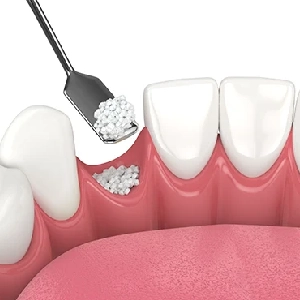
What Happens During Bone Graft Healing?
Before getting into recovery tips, it helps to understand what your body is doing after a bone graft.
When your dentist places graft material in your jaw, your body begins a process called osseointegration, where new bone cells gradually replace the graft material and fuse with your existing jawbone. According to the Cleveland Clinic, initial healing takes about a week, but full bone graft healing can take six months or more, sometimes up to a year.
Your behavior during this window determines the quality of bone that forms. Poor habits slow the process and increase your risk of graft failure.
How to Speed Up Bone Graft Healing: 10 Evidence-Based Steps
1. Follow Your Post-Operative Instructions Without Exception
Your dentist provides specific postoperative instructions for a reason. Follow them precisely. This includes:
- Taking prescribed antibiotics for the full course to prevent infection.
- Using prescribed mouth rinses as directed.
- Avoiding touching or probing the surgical site with your tongue or fingers.
Skipping steps in your post-operative protocol is one of the leading reasons bone grafts fail to heal properly.
2. Control Bleeding in the First 24 Hours
Bite down gently but firmly on the gauze your dentist provides. Change it every 30 to 45 minutes until bleeding slows. Avoiding spitting, rinsing vigorously, or using a straw during the first 24 hours helps protect the blood clot that forms over the graft site. That clot is the foundation of your early healing.
3. Manage Swelling with Ice and Elevation
Swelling peaks around 48 to 72 hours after surgery. To manage it:
- Apply an ice pack to your cheek in 20-minute intervals for the first 24 to 48 hours.
- Sleep with your head elevated on two pillows for the first several nights.
- Avoid bending over or lifting heavy objects, which increases pressure in the face.
Reducing swelling limits tissue damage and helps new bone cells reach the graft site sooner.
4. Eat the Right Foods
Your diet plays a major role in dental bone grafts. In the first two weeks, stick to soft, nutrient-rich foods that do not require chewing near the graft site:
- Yogurt, scrambled eggs, and smoothies (no straw).
- Mashed potatoes, oatmeal, and soft-cooked vegetables.
- Broths and soups at a lukewarm temperature.
Avoid crunchy, hard, or spicy foods. Also, avoid alcohol, which interferes with healing and interacts with medications.
5. Prioritize Nutrients That Rebuild Bone
What you eat supplies the raw materials your body uses to build new bone tissue. Focus on getting adequate amounts of:
- Calcium: Found in dairy products, leafy greens, and fortified plant milks. Calcium is the primary mineral in bone.
- Vitamin D: Essential for calcium absorption. Get it from sunlight, fatty fish, and fortified foods. A peer-reviewed study published on PubMed Central (NIH) found that Vitamin D plays a direct role in the metabolic stages of bone healing. That deficiency was present in 40% of patients studied, underscoring the critical importance of adequate Vitamin D levels during recovery.
- Vitamin C: Supports collagen production, which forms the scaffold for new bone. Eat citrus fruit, bell peppers, and strawberries.
- Protein: Bone regeneration requires protein. Include eggs, lean meats, legumes, and tofu in your diet.
If you are unsure whether your diet covers these nutrients, ask your dentist about supplementation.
6. Stop Smoking and Using Tobacco Products
Smoking is one of the most significant factors that slows bone graft healing. Nicotine restricts blood flow to the graft site, depriving the area of the oxygen and nutrients needed for new bone formation. It also suppresses immune function, increasing your risk of infection.
A study published in Implant Dentistry and indexed on PubMed found that smokers experience a higher rate of complications and bone graft failure compared to non-smokers, with nicotine directly compromising bone healing around grafted and implant sites. If you smoke, stopping before and during recovery is the single most impactful change you can make.
7. Keep the Surgical Site Clean
Good oral hygiene helps prevent infection, a primary cause of bone graft failure. Follow these guidelines:
- Rinse gently with warm salt water starting 24 hours after surgery (one teaspoon of salt in eight ounces of warm water)
- Brush your teeth carefully, avoiding the graft site
- Do not use commercial mouthwashes with alcohol during the early healing phase unless your dentist specifically recommends it
- Attend all scheduled follow-up appointments so your dentist can monitor healing progress
8. Avoid Strenuous Physical Activity
Exercise increases your heart rate and blood pressure, which raises the risk of post-surgical bleeding and disrupts the graft site. Avoid intense workouts for at least the first two weeks after surgery. Light walking is acceptable. Return to normal activity gradually, based on your dentist’s guidance.
9. Protect the Graft Site While You Sleep
Many patients grind or clench their teeth at night without realizing it. Bruxism (teeth grinding) places pressure on the jaw that can disturb the graft before it integrates. Ask your dentist whether a nightguard is appropriate during your recovery period.
10. Ask Your Dentist About Platelet-Rich Fibrin (PRF) Therapy
PRF therapy is a regenerative technique that uses a concentrated platelet-rich fibrin matrix from your own blood to accelerate soft tissue and bone healing. It is applied directly to the surgical site during or after the graft procedure.
Studies show that PRF significantly shortens the recovery time for bone grafts and improves graft integration. Ask your dental provider if PRF is an option for your treatment plan.
Signs Your Bone Graft Is Healing Well
Knowing what normal healing looks like helps you distinguish it from complications. Healthy bone graft recovery includes:
- Mild swelling and bruising that peaks in 2 to 3 days and steadily decreases.
- Slight soreness that improves day by day.
- No fever beyond the first 24 hours.
- Gradual return of normal sensation and function.
Contact your dentist immediately if you notice pain or swelling that worsens after the first week, pus or unusual discharge from the site, or gum recession around the graft area. These are potential signs of bone graft failure and require prompt evaluation.
How Long Does Bone Graft Healing Take?
Bone graft healing time depends on several factors, including the size of the graft, the type of graft material used, your age, overall health, and how closely you follow aftercare instructions. In most cases:
- Soft tissue healing: 2 to 4 weeks.
- Bone integration: 3 to 6 months.
- Full maturation: Up to 12 months.
Your dentist will confirm when enough bone has formed to proceed with implant placement, typically through follow-up X-rays or a CBCT scan.
Conclusion
Bone graft healing is a gradual biological process, but your daily habits and choices directly shape the outcome. Follow your post-operative instructions, eat a nutrient-rich diet, stop smoking, and keep the graft site clean. These steps give your jawbone the best environment to regenerate strong, healthy tissue, setting the stage for a successful dental implant and long-term oral health.
At Osler Dental Professionals, our team supports you through every phase of your recovery with personalized, evidence-based care.
Ready to Take the Next Step?
Are you scheduled for a bone graft, or do you have questions about your recovery? The team at Osler Dental Professionals in Towson, MD, is here to guide you. From pre-surgical planning to post-operative support, we provide comprehensive care to help you heal well and move forward with confidence. Schedule your consultation today.
FAQs
How long does it take for a dental bone graft to heal completely?
Full bone graft healing takes between 3 and 12 months, depending on the size of the graft, your health, and how well you follow aftercare instructions. Soft tissue above the graft heals in 2 to 4 weeks, but bone maturation takes significantly longer.
Is it normal to have swelling after a bone graft?
Yes. Swelling is a normal part of healing and typically peaks 48 to 72 hours after surgery, then gradually subsides. Applying ice in 20-minute intervals for the first 24 to 48 hours and sleeping with your head elevated help manage swelling.
What causes a bone graft to fail?
The most common causes of bone graft failure include smoking, poor oral hygiene, infection at the graft site, certain medical conditions like uncontrolled diabetes, and not following post-operative instructions. Identifying and addressing these risk factors before surgery improves success rates.
Does smoking affect bone graft healing?
Yes, significantly. Nicotine restricts blood flow and impairs immune function, both of which are critical for bone regeneration. Smokers have a substantially higher risk of bone graft failure. Stopping tobacco use before and throughout recovery is strongly recommended.