

If you are looking for how to fix missing teeth without implants, you are not alone. Losing a tooth changes more than your smile. It affects how you chew, how you speak, and over time, how your jawbone holds its shape. The longer a gap goes without treatment, the more your surrounding teeth shift out of position.
Dental implants are often called the gold standard for tooth replacement, but they are not the right fit for everyone. Cost, medical conditions, bone density, or personal preference may lead some patients to seek other options. The good news is that modern dentistry offers several reliable, proven alternatives.
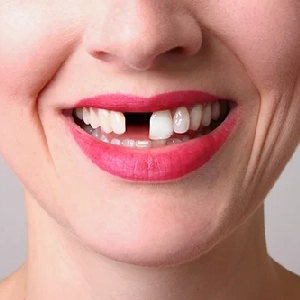
Why Replacing a Missing Tooth Matters
Skipping treatment for a missing tooth is never a neutral decision. Here is what happens when a gap is left untreated:
- Bone loss: The jawbone under a missing tooth begins to shrink within months because it no longer receives stimulation from a tooth root.
- Shifting teeth: Neighboring teeth gradually lean into the open space, changing your bite alignment.
- Difficulty chewing: A missing back tooth shifts chewing pressure onto remaining teeth, accelerating wear.
- Facial shape changes: Over time, bone loss alters the structure of your face, creating a sunken appearance.
- Higher infection risk: Open spaces collect bacteria more easily, raising your risk of gum disease.
Treating a missing tooth early preserves your oral health and reduces the cost and complexity of future care.
Your Options: How to Fix Missing Teeth Without Implants
1. Dental Bridge (Fixed Bridge)
A dental bridge is one of the most established solutions for replacing one or more missing teeth in a row. Your dentist anchors an artificial tooth, called a pontic, to the two healthy teeth on either side of the gap using crowns as supports.
Who it works for: Patients missing one to three consecutive teeth who have healthy adjacent teeth capable of supporting crowns.
What to expect:
- Two to three appointments over two to three weeks.
- Your adjacent teeth are shaped to receive crowns.
- A custom bridge is fabricated and cemented permanently in place.
- No removal needed; brushed and flossed like natural teeth using a floss threader.
Pros: Fixed in place, looks natural, restores full chewing ability, lasts 10 to 15 years or more with proper care.
Cons: Requires reshaping healthy adjacent teeth. Does not prevent bone loss under the gap.
2. Full Removable Dentures
Full dentures replace an entire arch of teeth, upper, lower, or both. They rest on the gum tissue and are removed each night for cleaning. Modern dentures are far more comfortable and realistic-looking than older designs.
Who it works for: Patients who have lost all or most of their teeth in one or both arches.
What to expect:
- Several appointments for impressions, fittings, and adjustments.
- An adjustment period of a few weeks as your mouth adapts.
- Relining or replacement every five to ten years, as the jawbone naturally changes shape.
Pros: Non-surgical, affordable, restores appearance and basic chewing function.
Cons: Some movement during eating or speaking. Bone loss continues because there is no root stimulation. Adhesives are sometimes needed for added stability.
3. Partial Dentures
Partial dentures fill in one or more missing teeth when some natural teeth remain. They clip onto existing teeth using metal clasps or precision attachments and are removed for cleaning.
Who it works for: Patients with scattered missing teeth who are not candidates for a bridge due to the position or number of gaps.
What to expect:
- Custom-made to match your remaining teeth in color and shape.
- Metal or flexible (Valplast) framework options are available.
- Requires good oral hygiene to protect the natural teeth that support the partial.
Pros: Affordable, non-surgical, prevents remaining teeth from shifting.
Cons: Clasps are sometimes visible. Requires nightly removal and daily cleaning.
4. Implant-Supported Dentures (Snap-On Dentures)
This option bridges two approaches. A small number of implant posts, typically two to four, are placed to act as anchors, and a full denture snaps onto them. Because only a few implants are used rather than one per tooth, the cost is significantly lower than a full implant restoration.
Who it works for: Patients who want more stability than traditional dentures provide but need a more affordable path than full implants.
What to expect:
- A minor surgical procedure to place two to four implant posts.
- A healing period of a few months before the denture is fitted.
- The denture snaps securely onto the posts and is removed nightly for cleaning.
- Follow-up appointments to check fit and implant integration.
Pros: More stable than traditional dentures, preserves jawbone at anchor points, and is more affordable than a full implant restoration.
Cons: Requires minor surgery for post placement. Healing adds weeks to the process. Significant bone loss requires pre-treatment before placement.
5. Flipper (Temporary Partial Denture)
A flipper is a lightweight, removable partial denture used as a temporary solution while you wait for a permanent restoration. It fills the gap quickly and affordably.
Who it works for: Patients awaiting a bridge or permanent partial, or those who need an immediate cosmetic solution after tooth loss.
What to expect:
- One to two appointments for impressions and fitting.
- A quick turnaround, often ready within a few days.
- Removed nightly for cleaning and soaking in a denture solution.
- Replaced or transitioned to a permanent restoration once your mouth is ready.
Pros: Fast to fabricate, very affordable, restores smile appearance right away.
Cons: Less durable than permanent options. Not recommended as a long-term solution.
Non-Implant Tooth Replacement Options: Full Comparison
| Dental Bridge | Full Dentures | Partial Dentures | Snap-On Dentures | Flipper | |
| Best For | 1 to 3 consecutive missing teeth | Full arch tooth loss | Scattered missing teeth with remaining natural teeth | Full arch loss, wanting more stability | Temporary gap while awaiting permanent restoration |
| Fixed or Removable | Fixed | Removable | Removable | Removable (snaps on) | Removable |
| Surgery Required | No | No | No | Minor (2 to 4 implant posts) | No |
| Prevents Bone Loss | No | No | No | Partially (at anchor sites) | No |
| Appearance | Natural | Natural | Natural | Natural | Adequate for temporary use |
| Chewing Ability | Excellent | Moderate | Moderate | Good to Excellent | Limited |
| Stability | Excellent | Moderate | Moderate | Very Good | Low |
| Lifespan | 10 to 15+ years | 5 to 10 years | 5 to 10 years | 10 to 15+ years | 1 to 2 years |
| Maintenance | Brush, floss with a threader | Nightly removal, soak | Nightly removal, soak | Nightly removal, soak | Nightly removal, soak |
| Adjacent Teeth Affected | Yes (crowned) | No | Minimal (clasps) | No | No |
| Cost Range | Moderate to High | Low to Moderate | Low to Moderate | Moderate | Low |
| Best Candidate | Good bone, healthy neighbors | Minimal remaining teeth | Some natural teeth remain | Wants denture stability | Needs an immediate, short-term fix |
Tips for Caring for Non-Implant Restorations
Regardless of which option you choose, these habits protect your investment:
- Clean removable dentures or partials every night with a soft brush and denture cleaner. Regular toothpaste is too abrasive and damages the surface.
- Store removable appliances in water or a soaking solution overnight to prevent warping.
- Brush and floss around a dental bridge with a floss threader or interdental brush to clean beneath the pontic.
- Attend checkups every six months so your dentist can monitor the fit and condition of your restoration.
- Avoid chewing on very hard foods like ice or hard candy, which place excessive pressure on restorations and natural teeth alike.
Conclusion
Missing teeth do not have to stay missing. Whether a bridge, denture, partial, or snap-on appliance fits your needs best, each option restores function, protects your remaining teeth, and improves your confidence. The right choice depends on your oral health, lifestyle, and goals. A conversation with your dentist is the clearest path forward. At Osler Dental Professionals, we take the time to understand your situation before recommending any treatment. Your smile is worth protecting.
Ready to Restore Your Smile?
At Osler Dental Professionals, we are here to help you find the best tooth replacement solution for your life. We listen carefully, explain your options clearly, and build a treatment plan around your goals, budget, and schedule. Serving Towson, MD, and surrounding communities for over 50 years. Schedule your consultation today!
FAQs
What is the cheapest way to replace a missing tooth without an implant?
A removable flipper is the most affordable short-term solution. For a longer-lasting, lower-cost alternative to a bridge, a partial denture offers solid function and aesthetics. Your dentist will review current pricing and any applicable insurance coverage at your consultation.
Is a dental bridge better than a partial denture?
It depends on your situation. A bridge is fixed, functions more like a natural tooth, and is generally preferred when healthy adjacent teeth are present. A partial denture works better when multiple teeth are missing in different areas of the mouth. Both are effective; the best choice is the one suited to your specific oral condition.
How long does a dental bridge last?
With proper care, a dental bridge can last 10 to 15 years or longer. Regular brushing, flossing under the bridge with a floss threader, and routine checkups are the keys to maximizing its lifespan.
Will my bone continue to shrink after getting a bridge or denture?
Yes. Bone loss continues in areas where a tooth root is absent because there is no stimulation from chewing forces transmitted through a root. Implants are the only solution that directly preserves bone. However, bridges and dentures do prevent the additional bone loss caused by shifting teeth and uneven bite force distribution.