
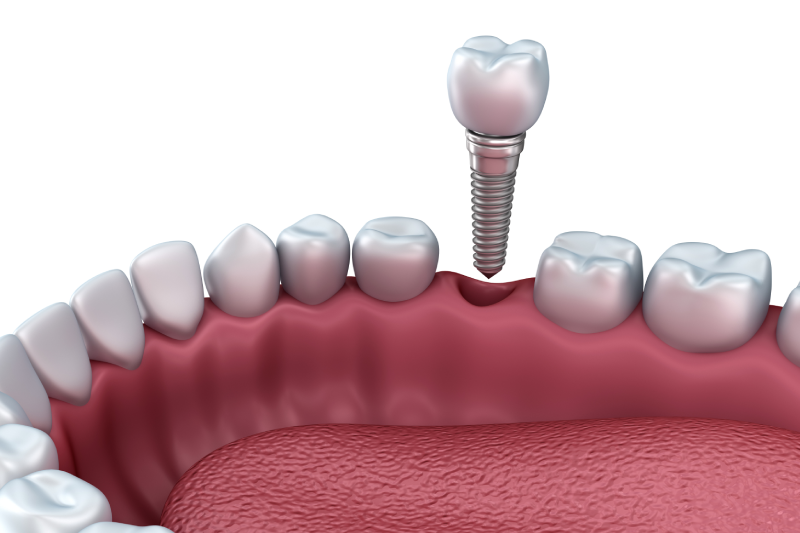
If you are considering dental implants, safety is likely one of your main concerns. Dental implant treatment involves oral surgery, so it is reasonable to consider the materials used, healing time, potential complications, and long-term success.
So, are dental implants safe? For many healthy adults, yes. Dental implants are FDA-regulated medical devices made from biocompatible materials such as titanium or zirconia. Their safety depends on proper planning, healthy gums, adequate jawbone support, and regular dental care after placement.
This guide explains dental implant safety, success rates, possible risks, long-term material safety, and who is a good candidate for treatment.
Are Dental Implants Safe?
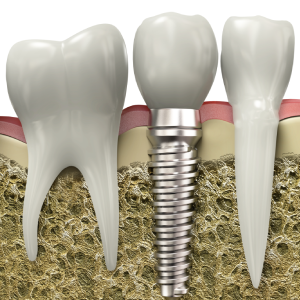
Dental implants are considered safe for qualified patients. They are commonly made from titanium or zirconia, both of which are biocompatible materials used in dental and medical care. Titanium implants bond with the jawbone through a healing process called osseointegration, creating a stable foundation for a crown, bridge, or denture.
The U.S. Food and Drug Administration classifies dental implants as medical devices. Every implant system sold in the United States must meet safety and performance requirements before use.
What Is the Dental Implant Success Rate?
Dental implants have a high success rate when placed in properly selected patients. Many clinical studies report implant success or survival rates between 93% and 98% over five to ten years.
Success depends on:
- Bone quality
- Gum health
- Implant position
- Smoking history
- Diabetes control
- Bite pressure
- Daily oral hygiene
- Regular dental visits
With proper care, the implant post often lasts for decades. The crown or restoration attached to it may need replacement over time due to normal wear.
What Are the Risks of Dental Implants?
Dental implants are safe for many patients, but treatment still involves oral surgery. Mild side effects are common during early healing.
Common short-term effects include:
- Mild swelling
- Temporary soreness
- Minor bleeding
- Bruising near the jaw or cheek
- Tenderness while chewing during early healing
Less common dental implant complications include:
- Infection around the implant
- Delayed healing
- Implant loosening
- Sinus involvement with upper jaw implants
- Nerve irritation or altered sensation
- Incomplete osseointegration
Risks are higher in patients who smoke, have untreated gum disease, have uncontrolled diabetes, or miss follow-up visits. If you want to understand what to expect during recovery, read Do Dental Implants Hurt? and Are Dental Implants Painful? for a detailed breakdown of the healing process.
Who Is a Good Candidate for Dental Implants?
A good candidate for dental implants has healthy gums, enough jawbone support, and overall health stable enough for minor oral surgery.
You might be a good candidate if you:
- Have one or more missing teeth
- Have enough jawbone density
- Have healthy gums
- Do not smoke, or are willing to stop during healing
- Have controlled blood sugar if you have diabetes
- Want a fixed replacement for missing teeth
Some patients need preparation before placement, such as gum disease treatment, tooth extraction, or bone grafting.
Are Dental Implants Safe for Seniors?
Dental implants are safe for many seniors when gum health, bone support, and overall health are stable. Age by itself does not prevent someone from getting dental implants.
For older adults, implants help improve chewing strength, support denture stability, and reduce jawbone loss after missing teeth. Before treatment, your dentist will review your medical history, medications, bone density, and healing ability to confirm whether implants are a safe option.
Are Titanium Dental Implants Safe?
Titanium dental implants are considered safe and have been used in dentistry for decades. Titanium is biocompatible, strong, and capable of bonding with living bone through osseointegration. The FDA recognizes titanium as one of the main materials used in dental implants. Its safety profile is well established when implants are properly selected, placed, and maintained.
Allergic reactions to titanium are extremely rare. For patients with documented titanium sensitivity or those who prefer a metal-free option, zirconia implants are an alternative with a comparable safety and durability profile.
How Long Do Dental Implants Last?
Dental implants are designed for long-term use. With proper care, the implant post often lasts for decades. The crown or restoration attached to it may need replacement over time due to normal wear.
Implant longevity depends on:
- Daily brushing and flossing around the implant and surrounding teeth
- Regular professional cleanings and preventive care to remove plaque buildup
- Healthy gums free from infection or inflammation
- Stable bite pressure with no grinding or clenching left untreated
- Avoiding smoking, which slows healing and weakens bone support over time
- Managing medical conditions such as diabetes that affect healing and bone health
- Keeping up with routine dental checkups so your dentist can monitor the implant
Poor oral hygiene increases the risk of peri-implantitis, an inflammatory condition around the implant. Regular maintenance helps protect the implant and surrounding tissue.
How to Reduce Dental Implant Risks
Your choices before and after treatment directly affect implant safety and success.
Before Treatment
- Choose a dentist with implant training and guided placement experience
- Complete a full dental and medical evaluation
- Ask whether 3D imaging will be used for surgical planning
- Treat active gum disease before implant surgery
- Discuss diabetes, medications, smoking, or bone health concerns with your provider
After Treatment
- Follow your home care instructions precisely
- Keep the surgical area clean with gentle brushing and salt rinses as advised
- Avoid hard or crunchy foods until your dentist clears you
- Attend all scheduled follow-up appointments
- Report ongoing pain, swelling, bleeding, or looseness right away
Good planning reduces surgical risk. Consistent maintenance protects the implant after healing. For a full overview of the procedure and what to expect, the Ultimate Guide to Dental Implants is a useful starting point.
Schedule Your Dental Implant Consultation in Towson, MD
At Osler Dental Professionals, Dr. Christopher J. Constantine and Dr. Lewis S. Libby provide dental implant care for patients in Towson, Timonium, Cockeysville, Pikesville, and the greater Baltimore area. The practice uses computer-guided 3D surgical planning and in-house digital imaging to evaluate bone structure, plan implant placement, and support precise treatment.
Call (443) 496-3166 or visit Osler Dental Professionals at 7600 Osler Drive, Ste 100, Towson, MD 21204 to schedule your dental implant consultation.
FAQs
Are dental implants safe for everyone?
Dental implants are safe for many adults, but not everyone is an immediate candidate. Patients with untreated gum disease, uncontrolled diabetes, heavy smoking habits, or severe bone loss might need treatment before implant placement.
What is the most common problem with dental implants?
The most common long-term concern is peri-implantitis, which is inflammation around the implant. It is often linked to plaque buildup, poor oral hygiene, smoking, or missed dental cleanings.
Are dental implants worth the risk?
For qualified patients, dental implants are often worth considering because they restore chewing function, help preserve jawbone, and provide long-term tooth replacement. Your dentist should explain your specific risks before treatment.