
Dental implants are one of the most effective ways to replace missing teeth. They restore your smile, improve chewing ability, and help maintain jawbone health. Despite these benefits, many patients delay treatment because they are worried about pain during the procedure.
One of the most common questions dentists hear from patients is simple: Are dental implants painful?
The truth is that dental implant treatment is usually much more comfortable than people expect. Modern dentistry uses advanced imaging, precise surgical techniques, and reliable anesthesia to keep patients relaxed throughout the procedure. Most patients report only mild discomfort afterward that improves within a few days.
Understanding the process and knowing what to expect can help reduce anxiety and make the decision easier.
Understanding What Dental Implants Are
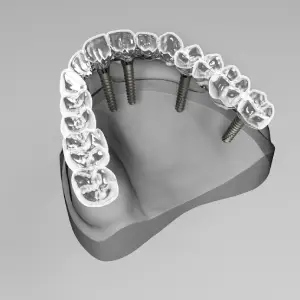
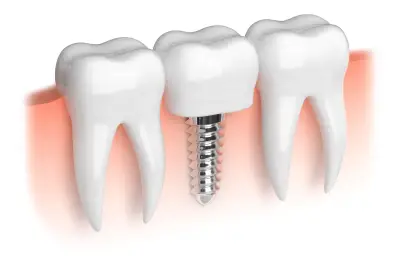
A dental implant is a small titanium post placed into the jawbone to replace the root of a missing tooth. Over time, the implant bonds with the bone through a natural process called Osseointegration.
This bonding process creates a strong foundation for a replacement tooth. Once healing is complete, a custom dental crown is attached to the implant. The final result looks, feels, and functions very much like a natural tooth.
Dental implants are widely considered the gold standard for tooth replacement because they are stable, durable, and long lasting.
Are Dental Implants Painful During Surgery?
During implant surgery, patients do not feel pain because the area is fully numbed with local anesthesia. This ensures that the gums and surrounding tissues remain comfortable while the implant is placed.
Patients may notice a feeling of pressure or slight vibration from the dental instruments. These sensations are normal and not painful.
Many patients are surprised to learn that implant placement often feels easier than they expected. Some even say it is more comfortable than having a tooth removed.
The surgical portion of the procedure is also relatively quick. Placing a single implant typically takes around 30 to 60 minutes.
What Happens During the Implant Procedure
Dental implant placement is a precise and carefully planned procedure. Dentists begin by numbing the treatment area so the patient remains comfortable.
A small opening is made in the gum to reach the jawbone. The dentist then prepares a tiny space in the bone where the implant will be positioned. Once the titanium implant is placed, the gum tissue is closed to allow healing.
After the procedure, the implant begins the process of integrating with the bone. This healing stage is what gives implants their long-term stability.
Patients are given instructions on how to care for the area while it heals.
What Does Dental Implant Recovery Feel Like?
When the numbness from anesthesia wears off, patients may experience mild soreness around the implant site. This discomfort is usually temporary and manageable.
Some patients notice slight swelling in the gums or jaw. Others may feel tenderness when chewing or touching the area.
These symptoms are part of the normal healing process. In most cases, they improve significantly within a few days.
Dentists often recommend over-the-counter pain relievers to help manage discomfort. Many patients return to their normal routine within a day or two.
How Long Does Dental Implant Pain Last?
The recovery timeline varies slightly from patient to patient, but most people experience only short-term discomfort.
During the first 24 hours, mild bleeding and swelling may occur. By the second or third day, swelling typically reaches its peak and then begins to improve.
Within about one week, most patients feel comfortable again and can resume their usual activities.
Although the implant continues integrating with the bone for several months, this stage of healing is usually painless.
Factors That Can Affect Pain Levels
Not every dental implant procedure is exactly the same. Several factors can influence how much discomfort a patient may experience.
The number of implants being placed is one important factor. A single implant generally causes very little soreness, while multiple implants may lead to slightly more swelling during recovery.
Bone grafting can also affect healing time. If the jawbone needs to be strengthened before placing an implant, the procedure may involve a longer recovery period.
Individual pain tolerance also plays a role. Some patients feel very little discomfort, while others may notice mild soreness for several days.
Following your dentist’s aftercare instructions carefully can make a significant difference in how comfortable the recovery process feels.
Tips to Make Dental Implant Recovery Easier
A few simple steps can help minimize discomfort and support proper healing after dental implant surgery.
Applying a cold compress to the outside of the face during the first day can reduce swelling. Eating soft foods such as yogurt, smoothies, and soup helps protect the implant site while the gums heal.
Good oral hygiene is also important. Keeping the mouth clean reduces the risk of infection and promotes faster healing.
Patients are usually advised to avoid smoking, as it can slow the healing process and increase the risk of implant complications.
Resting and allowing the body time to heal is one of the most important parts of recovery.
Are Dental Implants More Painful Than Tooth Extractions?
Many patients assume that implant surgery must be more painful than a tooth extraction. In reality, the opposite is often true.
Implant placement is highly controlled and carefully planned. Because the dentist works with precision and minimal tissue disruption, patients frequently report less discomfort compared to having a tooth removed.
The controlled nature of the procedure helps reduce trauma to surrounding tissues, which supports faster healing.
Why Dental Implants Are Worth It
Although patients may initially worry about discomfort, dental implants provide long-term benefits that make them a valuable investment in oral health.
Implants restore the ability to chew comfortably and help prevent bone loss in the jaw. They also maintain facial structure and support surrounding teeth.
Unlike removable dentures, implants remain securely in place and feel natural when speaking or eating.
With proper care, dental implants can last for decades. This makes them one of the most reliable and durable solutions for replacing missing teeth.
When to Contact Your Dentist
Mild discomfort after implant surgery is normal, but certain symptoms should be evaluated by your dentist.
If severe pain develops after several days, or if swelling continues to worsen instead of improving, it is important to seek professional advice.
Other warning signs include persistent bleeding, fever, or unusual movement of the implant.
These complications are rare, but early treatment helps prevent more serious problems.
Ready for a Brighter, Whiter Smile?
At Osler Dental Professionals, our team offers professional teeth whitening treatments tailored to your smile goals and your schedule. Whether you prefer a single in-office session or a custom take-home whitening kit, we build a plan around what works best for you.
Call Osler Dental Professionals at (443) 496-3166 or visit 7600 Osler Drive, Suite 100, Towson, MD 21204, today to schedule your consultation.
FAQs
Are dental implants painful during the procedure?
No. The treatment area is numbed using local anesthesia, so patients do not feel pain during the implant procedure.
How painful is dental implant recovery?
Most patients experience mild soreness for a few days. Over-the-counter pain medication is usually enough to manage any discomfort.
How long does it take to heal after dental implants?
Initial healing usually takes about one week. Complete integration of the implant with the bone can take three to six months.
Can I return to work after dental implant surgery?
Many patients return to normal activities within 24 to 48 hours, depending on the complexity of the procedure.
Is getting a dental implant worth it?
Yes. Dental implants provide a long-lasting and natural-looking solution for missing teeth and help protect long-term oral health.