
If you are considering tooth replacement, the question ‘Do dental implants hurt?’ is likely one of the first things on your mind. Any procedure involving surgery can sound intimidating. But understanding exactly what happens at each stage, from the consultation room to full recovery, helps you walk in prepared rather than anxious.
This guide gives you a clear, honest picture of dental implant discomfort, what is normal, what is not, and how your dental team works to keep pain minimal throughout the process.
How Dental Implants Work: A Quick Overview
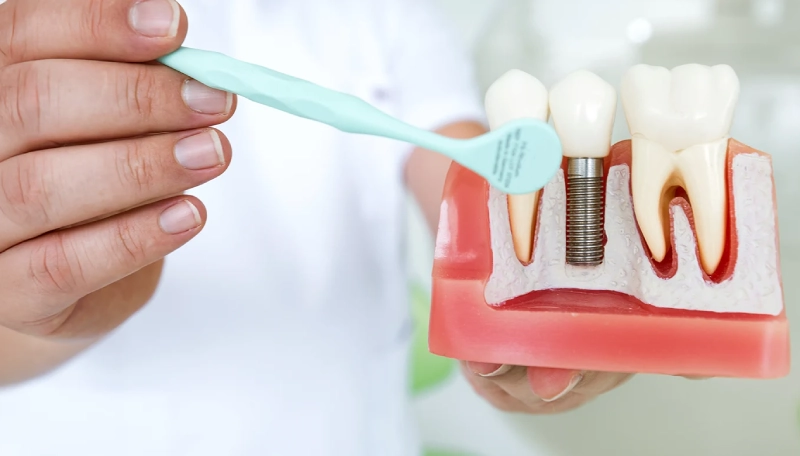
A dental implant replaces a missing tooth root. Your dentist surgically places a small titanium post into your jawbone. Over the following weeks, the bone grows around that post in a process called osseointegration. Once the implant is stable, a custom crown is attached on top, giving you a replacement tooth that looks, feels, and functions like a natural one.
The procedure involves three main stages:
- Consultation and preparation (imaging, bone assessment, treatment planning).
- Implant placement surgery (placing the titanium post into the jawbone).
- Crown placement (attaching the visible replacement tooth after healing).
Pain levels differ at each stage, so it helps to look at each one separately.
During the Procedure: Does Implant Placement Hurt?
No. During the actual surgery, you will not feel pain. Your dentist administers local anesthesia to numb the treatment area completely before making any incisions. The jawbone itself contains no nerve endings that register sharp pain, which means the placement of the implant post causes minimal sensation for most patients. You feel pressure and awareness of movement, but not pain.
According to the American Dental Association, local anesthesia works by blocking the nerves that transmit pain, numbing the treatment area so patients feel pressure rather than pain during dental procedures.
Patients who experience dental anxiety have additional options. Sedation dentistry, including nitrous oxide or oral sedation, helps you stay relaxed and comfortable throughout the procedure. If you have concerns about anxiety, discuss them with your dentist during your consultation so the right sedation level can be arranged in advance.
Most patients describe dental implant placement as more comfortable than a tooth extraction. The procedure is controlled and precise, performed under full anesthesia.
After the Procedure: What Does Recovery Feel Like?
This is where some discomfort does occur, and it is completely normal. Once the anesthesia wears off, you will likely notice:
- Mild to moderate soreness at the implant site.
- Swelling in the gum and surrounding tissue.
- Minor bruising around the jaw or cheek.
- Light bleeding for the first 24 to 48 hours.
These are standard healing responses. Your body is beginning the osseointegration process, and some inflammation is part of that. For most patients, discomfort peaks within the first 48 to 72 hours and then steadily improves.
Research published in Frontiers in Pharmacology confirms that postoperative pain following implant placement is usually mild to moderate, and that analgesic use is associated with improved postoperative outcomes compared with placebo.
Your dentist will provide specific aftercare instructions, which generally include:
- Taking prescribed or recommended pain relievers as directed.
- Applying an ice pack to reduce swelling during the first 24 hours.
- Eating soft foods for the first few days.
- Avoiding smoking, which delays healing.
- Rinsing gently with warm salt water to keep the area clean.
When Should You Be Concerned?
Mild soreness is expected. Severe or worsening pain after the first week is not. Contact your dental office if you notice:
- Pain that intensifies after the third or fourth day rather than improving.
- Persistent swelling beyond the first week.
- Fever or signs of infection.
- Implant feeling loose or unstable.
These symptoms are uncommon but require prompt evaluation. Catching a complication early protects your implant and your overall oral health.
Factors That Affect Your Pain Level
Recovery discomfort varies from person to person, and several factors can influence how your recovery goes:
- Number of implants placed: A single implant typically causes less postoperative discomfort than multiple implants placed in one session.
- Need for bone grafting: If your jawbone requires grafting before implant placement, recovery takes longer and is more painful initially.
- Your overall health: Conditions such as diabetes or immune disorders affect the speed of healing.
- Dentist experience and technology: Computer-guided implant placement reduces surgical trauma by improving accuracy and minimizing the size of the incision needed.
Advanced placement technology, such as 3D surgical guides and X-Guide navigation, allows dentists to place implants with greater precision. This means less tissue disruption and a smoother recovery.
Long-Term Comfort: What Happens After Full Healing?
Once osseointegration is complete and your crown is placed, a well-integrated dental implant should cause no pain. It functions like a natural tooth. You eat, speak, and smile without thinking.
According to the American Academy of Implant Dentistry, studies show a success rate of over 95% for dental implants, making them one of the most reliable and predictable tooth replacement options available.
Routine dental checkups every six months keep your implant healthy for decades. Good daily oral hygiene, including brushing and flossing around the implant, is all the maintenance required.
Conclusion
Dental implants are not pain-free, but they are far more comfortable than most patients expect. The surgery itself is performed under local anesthesia, meaning you feel nothing sharp. Post-operative soreness is real but manageable and resolves within days. With the right preparation, a skilled dentist, and good aftercare, most patients find the process straightforward. The long-term result, a stable, natural-looking tooth, is worth the short healing period.
Ready to Find Out If Dental Implants Are Right for You?
At Osler Dental Professionals, we use computer-guided implant technology and 3D surgical guides to ensure precise, comfortable placement. Your consultation begins in a relaxed setting, not a dental chair, so you have the time and space to ask every question.
Schedule your implant consultation today. Your new smile starts with a conversation.
FAQs
Is dental implant surgery safe for patients with dental anxiety?
Yes. Sedation options, including nitrous oxide, oral sedation, and IV sedation (depending on availability), make the procedure accessible for anxious patients. Discuss your concerns before the appointment so your dentist can arrange the appropriate level of sedation. Arriving informed and having a clear plan in place reduces anxiety significantly.
Does the implant hurt during osseointegration?
Osseointegration, the process in which bone grows around the implant post, is not painful. You feel no sensation during this phase, which lasts two to six months. Your dentist monitors progress at scheduled follow-up visits.
Will I need bone grafting, and does it make the procedure more painful?
Some patients require bone grafting before implant placement to build up jawbone density. Grafting adds a stage to the treatment process and involves its own healing period, which can cause additional soreness. Your dentist evaluates your bone health at the initial consultation and tells you upfront whether grafting is necessary.
How do I know if my dental implant is failing?
Signs of a failing implant include pain that worsens rather than improves, swelling that does not resolve, the implant feeling loose, difficulty chewing, or visible changes around the implant site. Contact your dentist immediately if you notice any of these symptoms. Early intervention gives the best chance of resolving the issue.