
Missing teeth affect your oral health, but alternatives to dental implants offer practical ways to restore your smile without implant surgery. Dental bridges, removable dentures, and other tooth replacement options help improve chewing, speech, and appearance.
Dental implants provide a stable solution for missing teeth, but surgery, cost, recovery time, and personal preferences can shape treatment decisions. Understanding non-surgical tooth replacement options helps you choose a restoration that fits your dental health, budget, and long-term needs.
Why Consider Alternatives to Dental Implants?
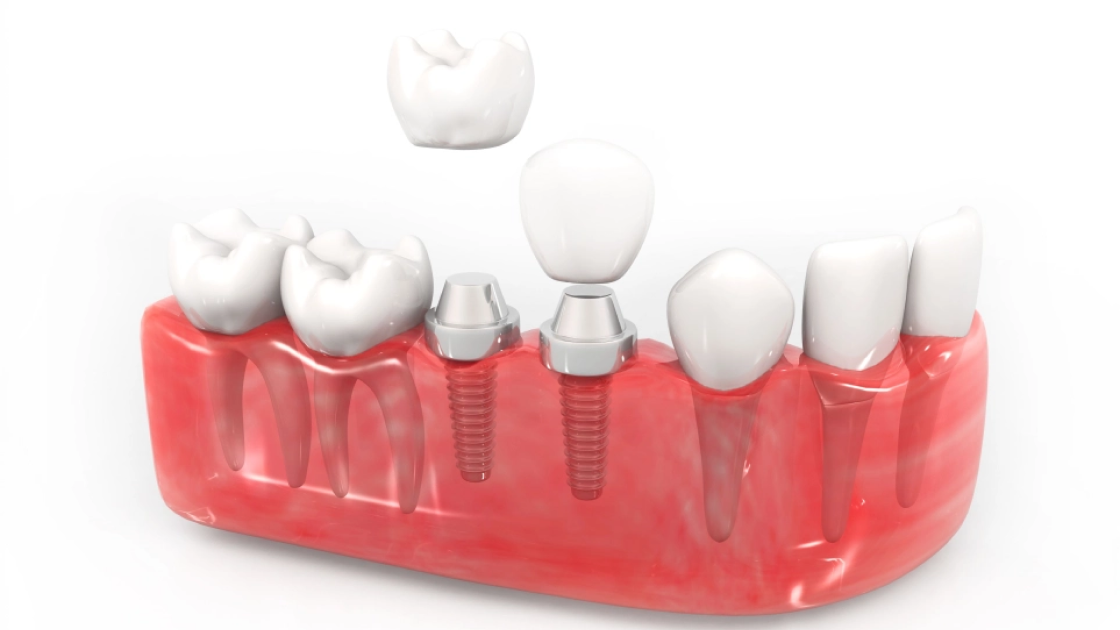
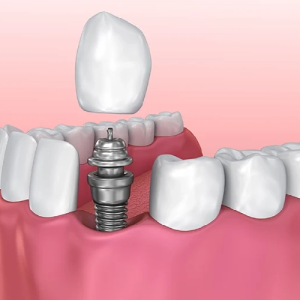
Dental implants involve placing a titanium or ceramic post into your jawbone to support a replacement tooth. Although effective, implant surgery may not suit every patient.
You might prefer another treatment because of:
- Surgical concerns: You want to avoid invasive procedures or additional healing.
- Insufficient jawbone: Bone loss can complicate implant placement and may require grafting.
- Medical considerations: Certain health conditions or medications affect surgical treatment planning.
- Treatment costs: You need a more affordable tooth replacement solution.
- Personal preferences: You prefer removable restorations or shorter treatment timelines.
According to the American Dental Association, replacing missing teeth helps address difficulties with eating and speaking while reducing the risk of neighboring teeth shifting.
What Are the Best Alternatives to Dental Implants?
Several restorative treatments replace missing teeth without implant surgery. Your dentist recommends an option after examining your remaining teeth, gums, bite, and oral health.
1. Traditional Dental Bridges
A dental bridge replaces one or more consecutive missing teeth using artificial teeth supported by neighboring natural teeth. Your dentist prepares the supporting teeth, takes impressions or digital scans, and places a custom restoration.
Benefits:
- Provides a fixed replacement without implant surgery.
- Restores chewing ability and appearance.
- Usually requires fewer treatment visits than implants.
Limitations: Traditional bridges require preparation of supporting teeth. They also lack artificial tooth roots, so jawbone loss beneath the missing teeth remains possible.
For additional information, read How Much Does a Dental Bridge Cost?.
2. Complete Dentures
Complete dentures replace all teeth in the upper jaw, lower jaw, or both. They rest on your gums and support essential oral functions. Your dentist takes impressions, evaluates your bite, and adjusts the dentures for comfort.
Benefits:
- Replace an entire arch without surgery.
- Provide an affordable full-mouth restoration.
- Support facial appearance and basic chewing functions.
Limitations: Dentures sometimes shift during meals or conversations. Changes in jawbone shape also require periodic adjustments.
3. Removable Partial Dentures
Partial dentures replace several missing teeth while preserving your remaining natural teeth. They use a gum-colored base, replacement teeth, and suitable attachments.
Benefits:
- Replace multiple teeth in different locations.
- Require no implant surgery.
- Allow removal for cleaning and maintenance.
Limitations: Some attachments remain visible. Partial dentures also require adjustments as your mouth changes.
4. Resin-Bonded Dental Bridges
A resin-bonded bridge, sometimes called a Maryland bridge, attaches an artificial tooth to neighboring teeth using bonded wings. Dentists frequently consider this restoration for selected missing front teeth.
Benefits:
- Preserves more natural tooth structure than conventional bridges.
- Requires limited tooth preparation.
- Provides a fixed, non-surgical restoration.
Limitations: Bonded attachments sometimes loosen under excessive biting pressure. Suitability depends on your bite and supporting teeth.
5. Temporary Removable Dentures
A temporary partial denture, also called a flipper, replaces missing teeth while you prepare for permanent treatment. It restores appearance and provides limited everyday function.
Benefits:
- Offers a short-term replacement.
- Requires no surgery.
- Usually costs less than permanent restorations.
Limitations: Temporary dentures offer less stability and durability than permanent tooth replacement options.
How Do Non-Implant Tooth Replacement Options Compare?
The following table compares common alternatives to dental implants based on treatment requirements and functionality.
| Treatment | Best Suited For | Surgery | Removable |
| Traditional bridge | Consecutive missing teeth | No | No |
| Complete dentures | Entire arch of missing teeth | No* | Yes |
| Partial dentures | Multiple missing teeth | No* | Yes |
| Resin-bonded bridge | Selected missing front teeth | No | No |
| Temporary denture | Short-term replacement | No* | Yes |
Extractions or other preparatory treatments involve separate procedures when necessary.
How Long Does Recovery Take After Tooth Replacement Without Implants?
Recovery depends on your treatment and whether your dentist performs additional procedures.
| Treatment | Expected Adjustment or Recovery |
| Dental bridge | Mild sensitivity for a few days |
| Complete dentures | Several weeks of adjustment |
| Partial dentures | Several days to a few weeks |
| Resin-bonded bridge | Minimal recovery in uncomplicated cases |
| Temporary denture | Several days to adjust |
If your dentist removes teeth before placing dentures, gum healing takes longer. Your dentist will explain the expected recovery period based on your treatment plan.
How Much Do Alternatives to Dental Implants Cost?
Treatment costs depend on the number of missing teeth, restoration materials, laboratory work, and treatment complexity. Traditional bridges generally cost more upfront than removable partial dentures. Complete dentures vary in price depending on materials, customization, and the number of arches involved.
Before treatment, request an itemized estimate covering:
- Initial examinations and diagnostic imaging.
- Restoration fabrication and placement.
- Necessary extractions or preparatory care.
- Follow-up appointments and adjustments.
- Dental insurance benefits and potential financing.
Compare long-term maintenance expenses alongside initial treatment costs.
How Do You Care for Dental Bridges and Dentures?
Proper maintenance protects your restoration and remaining natural teeth.
Follow these recommendations:
- Brush natural teeth twice daily using fluoride toothpaste.
- Clean beneath bridges using appropriate interdental tools.
- Remove and clean dentures as your dentist instructs.
- Avoid abrasive cleaning products on removable dentures.
- Attend regular dental examinations and adjustment appointments.
Conclusion
Choosing between alternatives to dental implants requires an understanding of your oral health, treatment goals, and financial considerations. Dental bridges offer fixed tooth replacement, while complete and partial dentures provide removable solutions without implant surgery. Each treatment has different maintenance requirements, functional benefits, and limitations. Your dentist will evaluate your remaining teeth, gums, and bite before recommending suitable options.
Explore Your Tooth Replacement Options at Osler Dental Professionals
Missing teeth deserve professional attention before they affect your comfort and daily oral functions. At Osler Dental Professionals, our dental team provides personalized restorative consultations to help you understand which tooth replacement treatments suit you best. Schedule your consultation today.
FAQs
What is the most affordable alternative to dental implants?
Removable partial dentures are often among the more affordable permanent tooth replacement options. Temporary dentures generally cost less upfront. Your final cost depends on materials, the number of replacement teeth, and any necessary preparatory treatments.
Is there a permanent solution for missing teeth without implants?
Traditional dental bridges provide long-term fixed tooth replacement without implant surgery. However, bridges have a limited service life and sometimes require replacement. Proper oral hygiene and routine dental evaluations support their durability.
Do dentures prevent jawbone loss?
Conventional dentures do not replace natural tooth roots or stimulate the underlying jawbone the same way. Bone loss continues after tooth extraction, which can affect denture fit and require adjustments over time.
Are alternatives to dental implants suitable for older adults?
Age alone does not determine treatment eligibility. Dentures and bridges offer restorative options for older adults with suitable oral health. Your dentist considers remaining teeth, gum health, medical history, and functional needs.